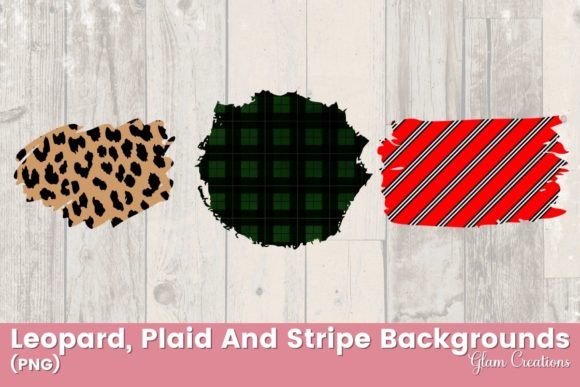
Leopard, Plaid and Striped Backgrounds: A Stylish Combination for Creative Projects
When it comes to adding visual interest and personality to your scrapbooking crafts and greeting cards, the right background can make all the difference. Among the many design elements available, leopard, plaid, and striped backgrounds stand out as a versatile and eye-catching trio. These patterns offer a unique blend of texture, contrast, and style that can elevate any creative project. Whether you're a professional designer or a hobbyist, understanding how to use these backgrounds effectively can help you achieve stunning results.
Understanding the Appeal of Leopard, Plaid, and Striped Backgrounds
The combination of leopard, plaid, and striped backgrounds brings together three distinct yet complementary styles. Each pattern has its own characteristics and appeal, making them ideal for different purposes and aesthetics.
Leopard patterns are known for their bold, animal-like spots that add a sense of wild elegance. They work well in designs that aim to evoke a sense of luxury, adventure, or sophistication. Plaid patterns, on the other hand, offer a more structured and traditional look. Their intersecting lines and repeating motifs create a classic, timeless feel that can be both cozy and refined. Striped backgrounds bring a clean, modern edge to any design. The simplicity of stripes allows them to pair well with other patterns, creating a balanced and dynamic composition.
Together, these three patterns form a powerful trio that can be used to create visually striking and cohesive designs. By combining them thoughtfully, you can achieve a look that is both unique and professional.
Practical Uses and Applications
The versatility of leopard, plaid, and striped backgrounds makes them suitable for a wide range of applications. From scrapbooking to greeting cards, these patterns can be used to enhance the overall aesthetic of your projects.
- Scrapbooking: Use leopard backgrounds as a base for photos that need a dramatic or luxurious touch. Pair plaid patterns with vintage or rustic themes, and add stripes for a modern twist. This combination can help tell a story while maintaining visual interest.
- Greeting Cards: Create eye-catching holiday or birthday cards by layering these patterns. For example, a plaid background with a leopard accent can give a card a sophisticated look, while stripes can add a playful element.
- Business Materials: Professionals can use these patterns in business cards, brochures, or presentations to make their materials stand out. A subtle plaid or stripe can add a touch of class without overwhelming the content.
These backgrounds are also useful in digital design, such as website templates, social media graphics, and printable templates. Their adaptability makes them a valuable resource for anyone involved in creative work.
Strengths and Considerations
One of the main strengths of leopard, plaid, and striped backgrounds is their ability to add depth and dimension to a design. They can break up monotony and introduce a sense of movement or energy. However, it's important to use them wisely to avoid overwhelming the viewer.
When using multiple patterns together, consider the following:
- Color Harmony: Ensure that the colors in each pattern complement each other. Too many contrasting colors can make a design look chaotic.
- Proportion: Balance the use of each pattern so that none dominates the others. For example, use a leopard background as a base and add plaid or striped accents for visual interest.
- Readability: If text is involved, make sure it remains legible against the background. High-contrast color combinations can help maintain clarity.
By keeping these factors in mind, you can maximize the benefits of these patterns while avoiding common pitfalls.
Real-World Examples and Scenarios
Let’s explore some real-world scenarios where leopard, plaid, and striped backgrounds have been successfully used:
- Wedding Invitations: A plaid background with a leopard accent can create a romantic and elegant look. Adding stripes to the border can provide a subtle frame that draws attention to the details.
- Travel-Themed Scrapbooks: Use a leopard background to represent adventure, plaid for a cozy, homey feel, and stripes to symbolize journeys or routes. This combination can help tell a compelling story through visuals.
- Seasonal Greeting Cards: For a winter card, a plaid background with a leopard motif can evoke a sense of warmth and tradition, while stripes can add a fresh, modern touch.
These examples demonstrate how the right use of patterns can enhance the message and mood of a project.
Evaluating Suitability for Your Needs
Before choosing leopard, plaid, and striped backgrounds, consider your specific needs and goals. Ask yourself the following questions:
- What is the purpose of my project? Is it for personal use, professional presentation, or commercial distribution?
- Who is my audience? Will they appreciate the style and complexity of these patterns?
- What is the desired tone or mood? Do I want something bold, classic, or modern?
By answering these questions, you can determine whether these backgrounds will serve your project effectively. It’s also helpful to experiment with different combinations to see what works best for your vision.
Conclusion
Incorporating leopard, plaid, and striped backgrounds into your creative projects can add a level of sophistication and uniqueness that sets your work apart. These patterns offer a rich variety of textures and styles that can be tailored to fit a wide range of applications. Whether you're designing for personal enjoyment or professional use, understanding how to use these backgrounds effectively can greatly enhance your results.
Remember, the key to success lies in balance, harmony, and intentionality. With careful consideration and creativity, you can unlock the full potential of these patterns and bring your ideas to life in a truly remarkable way.