Minimal Geometric Background: A Modern Design Solution for Creative Projects
In the ever-evolving world of design, minimal geometric background has emerged as a powerful tool for creating visually striking and functionally effective visuals. This style combines simplicity with sophistication, offering a clean and modern aesthetic that appeals to a wide range of creative professionals. Whether you're designing a website, a mobile app, or a marketing campaign, understanding how to leverage minimal geometric backgrounds can elevate your work and meet the demands of today's digital landscape.
Understanding Minimal Geometric Background
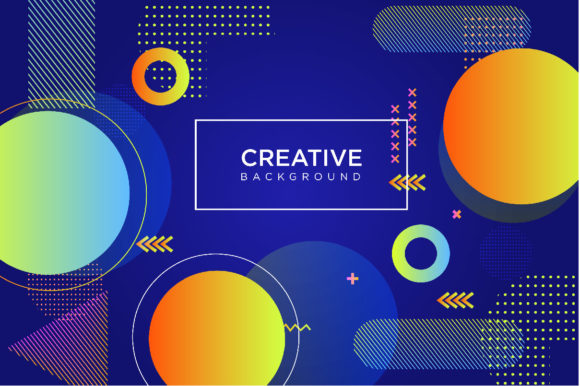
A minimal geometric background is characterized by its use of simple shapes, clean lines, and structured compositions. Unlike complex or ornate designs, this approach focuses on clarity and balance, often using elements such as circles, triangles, and rectangles arranged in a way that creates visual interest without overwhelming the viewer. These backgrounds are typically enhanced with colorful halftone gradients and futuristic geometric patterns, adding depth and dimension while maintaining a sleek, modern feel.
The appeal of minimal geometric backgrounds lies in their versatility. They can be used as standalone design elements or as part of a larger composition, making them ideal for a variety of applications. With high-resolution files at 300dpi and all graphics being 100% vector-based, these templates offer exceptional quality and flexibility for designers looking to create professional-grade work.
Challenges and Opportunities in Modern Design
Designers today face numerous challenges, including the need to create visually engaging content that also communicates effectively. In a fast-paced digital environment, users expect clean, intuitive interfaces that are both aesthetically pleasing and easy to navigate. This is where minimal geometric backgrounds can make a significant difference.
One common challenge is achieving a balance between creativity and functionality. Many designers struggle to find the right mix of visual elements that enhance the user experience without distracting from the main message. Minimal geometric backgrounds provide a solution by offering a structured yet flexible framework that allows for creative expression while maintaining clarity and focus.
Another challenge is ensuring that designs are adaptable across different platforms and mediums. With the rise of mobile-first design and multi-device compatibility, it's essential to have assets that can be easily scaled and modified. The vector nature of minimal geometric backgrounds makes them highly editable, allowing designers to adjust colors, shapes, and text as needed without compromising quality.
Practical Applications of Minimal Geometric Background
The applications of minimal geometric backgrounds are vast and varied. From web design to print materials, these backgrounds can be used to create stunning visuals that capture attention and convey a strong sense of style. For example, a website featuring a minimal geometric background can enhance the user experience by providing a clean, organized layout that guides the viewer through content efficiently.
In addition, these backgrounds are ideal for creating eye-catching mobile story wallpapers, app interfaces, and social media graphics. Their vibrant, colorful halftone gradients add a dynamic element that can make a design stand out in a crowded digital space. Whether you're working on a personal project or a professional campaign, minimal geometric backgrounds offer a versatile and effective solution.
For businesses and brands, minimal geometric backgrounds can serve as a powerful tool for communicating identity and values. By incorporating elements such as abstract shapes, three-dimensional forms, and neon accents, designers can create visuals that reflect a modern, innovative brand image. This is particularly useful for tech startups, creative agencies, and other forward-thinking organizations looking to establish a strong visual presence.
Recommendations and Considerations
When working with minimal geometric backgrounds, it's important to consider the overall design goals and audience. Different users may approach the topic in unique ways depending on their specific needs and preferences. For instance, a web designer might prioritize responsiveness and scalability, while a print designer may focus on resolution and color accuracy.
One key recommendation is to experiment with different combinations of shapes, colors, and gradients to find the perfect balance for your project. Testing various iterations can help you identify what works best for your particular use case. Additionally, taking advantage of the editable features of vector files allows for greater customization and flexibility during the design process.
It's also worth noting that minimal geometric backgrounds can be paired with other design elements to create more complex and layered compositions. For example, combining a geometric pattern with a simple text overlay can result in a clean, professional look that is both functional and visually appealing.
Conclusion
Minimal geometric background offers a powerful and versatile solution for designers seeking to create modern, impactful visuals. With its clean lines, structured compositions, and vibrant gradients, this design approach provides a foundation for a wide range of creative projects. Whether you're working on a website, an app interface, or a marketing campaign, understanding how to leverage minimal geometric backgrounds can help you achieve professional results that resonate with your audience.
By focusing on clarity, adaptability, and visual appeal, minimal geometric backgrounds enable designers to meet the evolving demands of the digital age. With high-quality, editable files and a range of customizable options, these templates provide the tools needed to bring your creative vision to life. As you explore the possibilities of minimal geometric backgrounds, remember that the key to success lies in finding the right balance between form and function, ensuring that every design serves its purpose while leaving a lasting impression.